Volume 5 · Flavoured salt
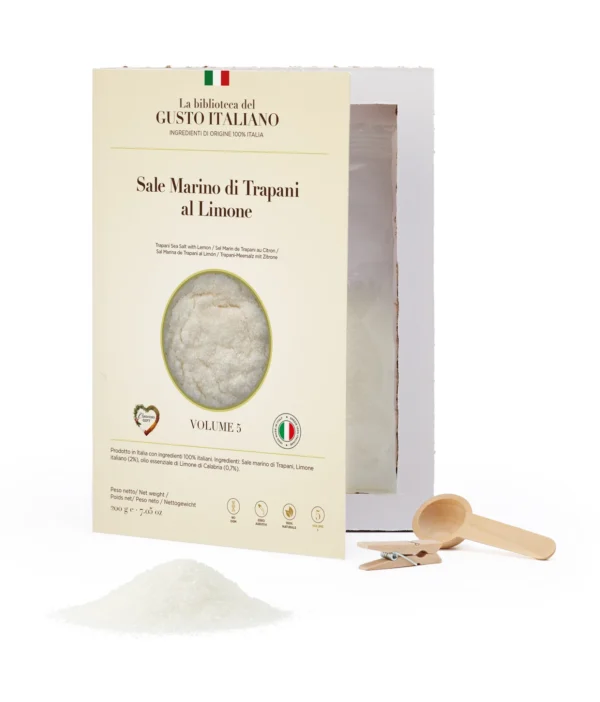
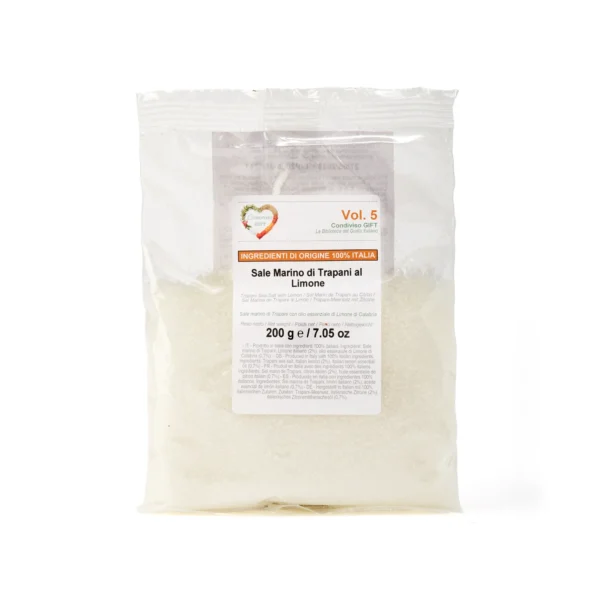
Two ingredients, nothing else. Trapani sea salt and Italian lemon, with a small amount of Calabrian lemon essential oil. It is one of the simplest volumes in the library. That is why it goes on almost everything.


On the coast of Trapani, salt has been produced for more than two thousand years. The first salt pans date back to the Phoenicians, who controlled its trade. In 1154 the Arab geographer al-Idrisi described a salt pan in front of the city.
In the sixteenth century, after the loss of Cyprus, Venice and Milan also bought salt from here. That stretch of coast is still called the Via del Sale (the Salt Road).
The salt forms in shallow, connected pans. Seawater enters the first pans, the fridde, and moves slowly into the next ones. Sun and wind make it evaporate. In the last pans, the salanti, only the crystals remain. The harvest takes place in summer. Most of the salt pans lie within the Saline di Trapani e Paceco Nature Reserve.
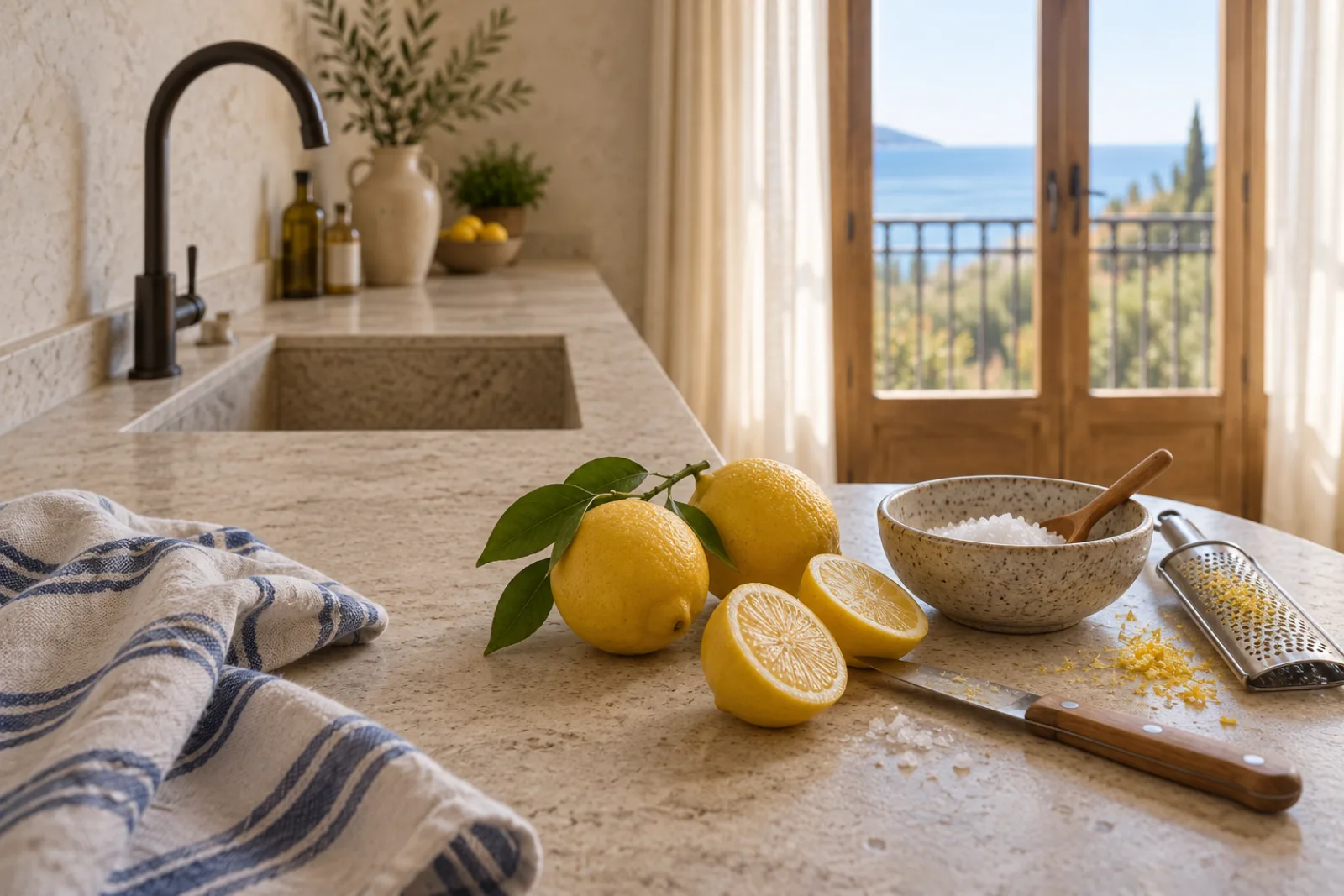
The lemon comes in two forms: Italian lemon (2%) and Calabrian lemon essential oil (0.7%). The essential oil is the fragrant part the fruit holds in its peel.
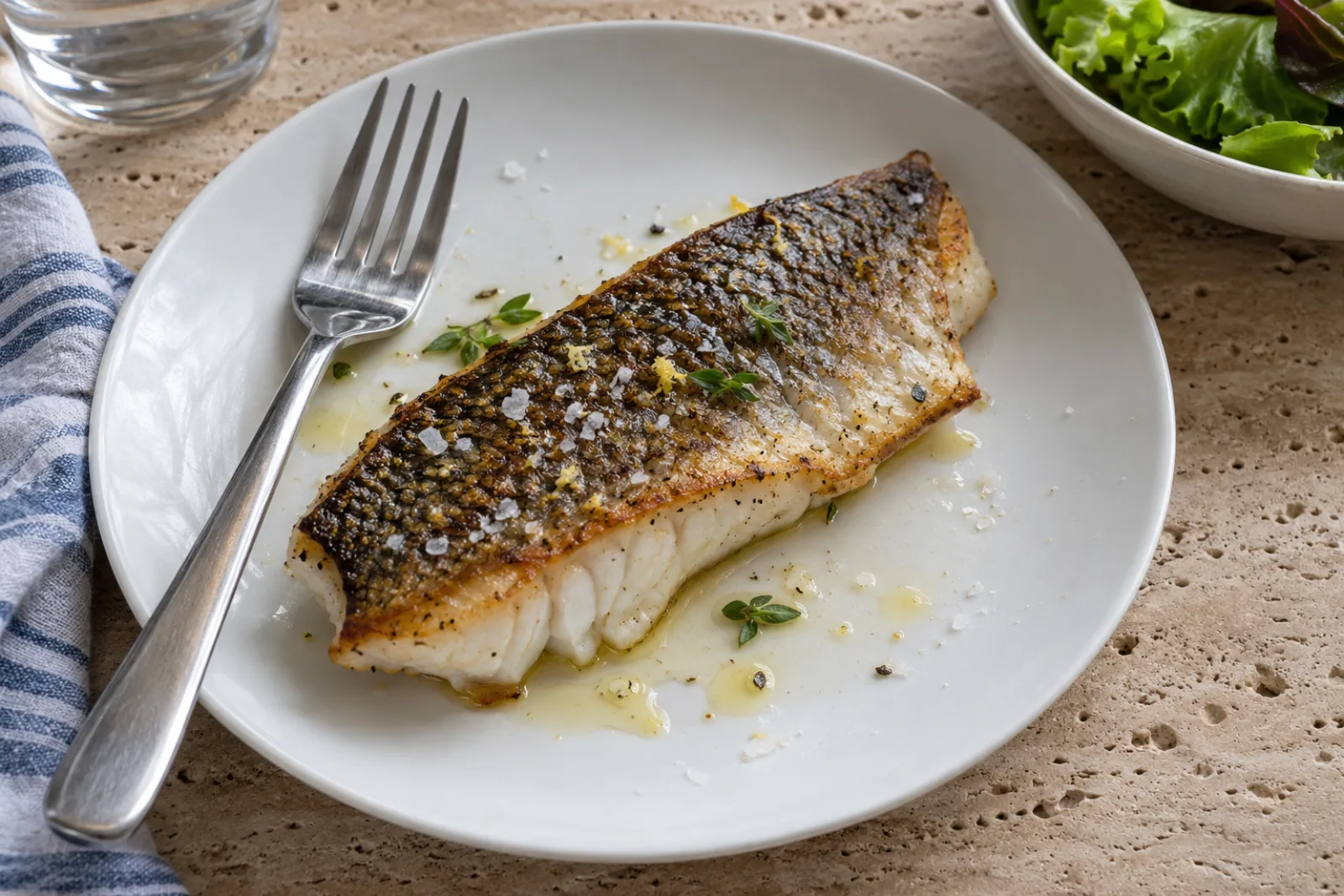
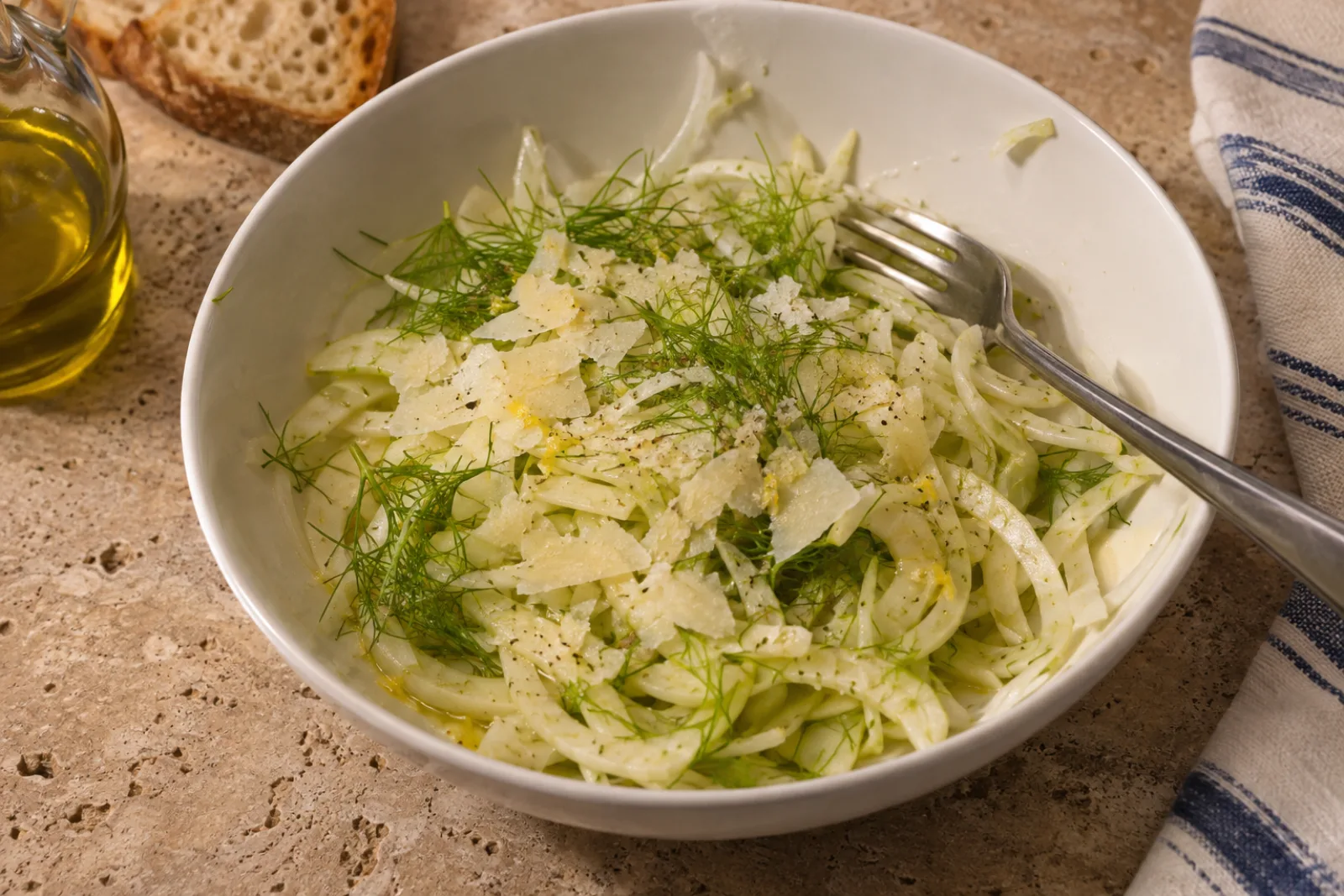
Savoury and clean. The lemon does not mask the salt: it comes right after, clear but light. The aroma comes through most when used uncooked. That is why the volume works best as the last touch, on a finished dish.
The salt is Sale Marino di Trapani PGI (IGP). It is a designation tied to a specific area and to a method checked by an external body. All the ingredients are Italian and stated on the label with their percentage.